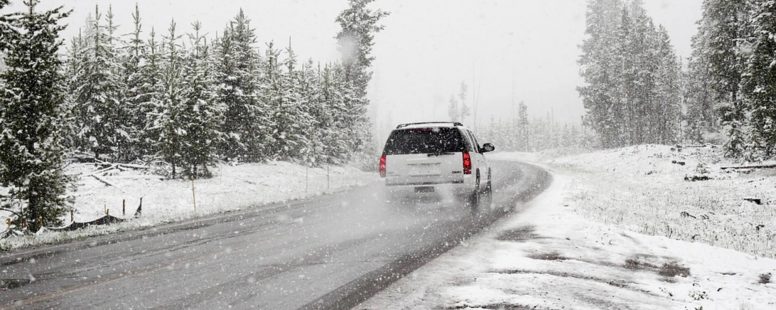
Who doesn’t love the winter? There is so much to do during this season – snowball fights, snowman, ice skating – to name a few. But for drivers, the snow and ice are not your best friends. That’s why as winter approaches, it’s time to make sure you’re all prepared! For many parts of the country, that means putting on
Imagine this: The weather’s excellent, perfect to go out and about. You and your family plan to go on a trip to relax and spend some quality time together. You’ve packed all essentials and everything else you want to bring. Now it’s time to load the cargo. But then, you realize there’s more baggage than what your hatchback’s trunk can
Shipping a car across the country is not an easy task, but there are some unique ways to do it! Shipping by sea or air is possible, depending on your location. If you’re shipping domestically, then rail might be more cost-efficient. However, if you’re shipping along the coast – say from California to Alaska – you will most likely need a container ship for ocean transport. But you also have the option of air freight. Some challenges can arise when you hire a professional driver to transport your car. There are regulations in shipments and the potential for damage during transit. In this article, we’ll go over some of the modes of transport, so you have an idea of what steps need to be taken before deciding which type of shipment is best for your needs.
Shipping By Rail
Having your car shipped across the country by rail is pretty much the same as having it transported by truck or trailer. Because it’s a similar platform, just with different routes. The most significant difference is that trailers can go anywhere and trains cannot.
Shipping by rail is generally cheaper and more convenient. But because trains restrict loading and unloading to stations, that means you won’t have the option of door-to-door delivery. You’ll have to drop off and pick up your car on your own unless you hire a shipper to do it for you. Of course, that means additional costs.
However, shipping by rail is becoming more popular even with this limitation. It can be a more cost-efficient option over long distances. In fact, more and more train lines are offering auto shipping services. And for the sake of costs, door-to-door delivery isn’t a necessity. You can always ask a trusted friend or family member to help you out.
Shipping by Rail
Shipping By Air
The most expensive option to ship your car is only done when you really have no time to spare and a lot of loose cash. It’s not just the costs of the actual air freight but all the complications of regulations, insurance, and other paperwork. The upside is that you can get your car shipped within hours since a coast-to-coast flight only takes about 4-5 hours. So from loading to unloading, you’ll get your car back at the end of the day.
The good news is ironic because shipping by air is actually the safest method of shipping a car. This is probably why most of the cars that go through air freight are exotics and luxury vehicles. In other words, owners can afford the exuberant fees.
Air freight has the most strict regulations compared to other shipping methods. That’s why it’s the safest way to ship an exotic. There are no potholes or reckless drivers in the sky, so you won’t have those worries floating in your mind when you ship by air.
Shipping by Air
Shipping By Sea
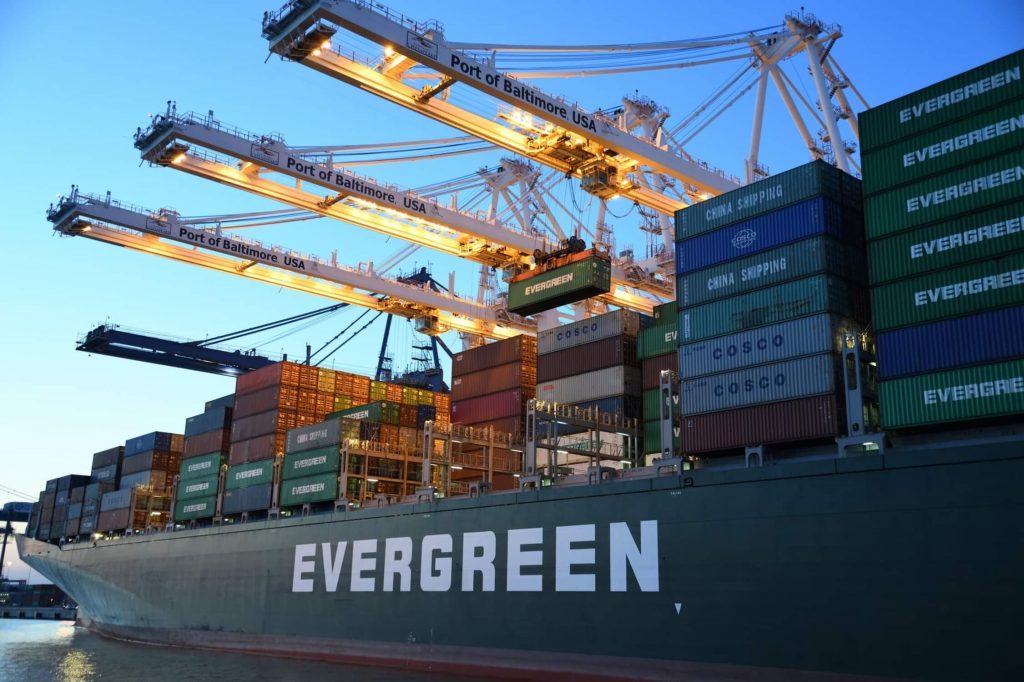
Shipping by sea can be the longest method of shipping a car, but for particular situations, it’s the best or only option. The only reason you’ll consider shipping your car by sea is if you’re shipping to Hawaii or Alaska. And it’s not like you have much choice when it comes to Hawaii.
Although it is convenient, it does have a few drawbacks. Shipping by sea can potentially tax a car, especially if it’s not adequately protected against the sea air. Of course, marine lines that offer auto shipping will ensure your car doesn’t get wet. You also have to consider the humid sea air that is also filled with potential rust-inducing molecules.
The advantage, though, is that it’s much cheaper than having it shipped by air. And although there are also regulations you need to follow, it’s not as strict as air freight. But you’ll have to make sure your car is prepared for the journey because it can take a while. And being exposed to the elements will take a toll on your vehicle.
Shipping by Sea
Keeping It Simple
Although the unique ways of shipping a car are growing in the industry, sometimes going back to the tried and true is the most logical decision. Of course, the best advice is to do your own research and make sure to discuss your options with auto shippers that offer various methods. Gather as much information as you can before you make a decision. And always remember that at the end of the day, it’s really your needs that matter most. So do what is best for you and your car.
Whether your car is no longer fitting your needs or you just want to get a shiny new one, trading in is usually the best option. It’s more cost-effective than simply buying a new one, especially if you’re looking to upgrade to something current and have no need of keeping multiple vehicles. The process is generally straightforward, but the complications are getting a good deal or at least a fair price on your current car.
This is where you’ll have to pour some time, energy, and maybe a tiny bit of money into preparing your car for a trade-in. Here are some tips to help you prepare your used car and squeeze as much as you can get for it:
1. Give It A Thorough Cleaning
This is pretty obvious; under no circumstances will a dirty, muddy car get a good offer by anyone, let alone a dealership. So make sure to give it a comprehensive clean inside and out. Declutter anything that doesn’t need to be there, especially personal items and preferences, because not everyone may like a phone holder mounted on the dash. It’s critical to get a good impression, so don’t worry about paying to get it detailed; you’ll get it back in the trade-in value.
Under no circumstances will a dirty, muddy car get a good offer by anyone.
2. Gather All Accessories
If you have any extra sets of keys, fobs, or even tools, make sure you have all of those complete with the car. Some dealers won’t give you credit for features like an entertainment system if the remote or storage medium is missing. Even little things like an SD card can make a difference in creating a complete package.
3. Take Some Notes
Your car will go through a thorough inspection, but it’s an excellent idea to do your own as well. Take careful notes on anything as small as bumps or dents, even going as far as driving it a few times and ensuring everything is running smoothly. Take notes on how it performs because you can be sure that dealers will be privy to even small details such as electrical problems or even tires that need to be replaced.
4. Fix What You Can
If there’s anything that you can fix yourself, you might as well get it done. Check and replace any lights that aren’t working well anymore, both the exterior and interior lights. Make sure to top off all the fluids and the washer fluid, coolants, brakes, transmission, and so on. If you encounter a significant issue, the value will take a hit, but sometimes it’s better to let the dealer take care of it rather than sink too much into the repairs.
5. Estimate Its Value
Once it’s been cleaned and maintained, try to get an appraisal yourself. In this age of the internet, many tools can help you understand how much your car is valued. This will give you a better idea of what to expect and how you should negotiate. Of course, don’t expect to get exactly what you estimated, but at least it gives you a reference and a starting point.
Try to get an appraisal.
6. Gather All Documents
Besides the title and registration, it’d be great to gather all other relevant documentation of the car’s history, such as service records or maintenance schedules. A vehicle that has been regularly checked and maintained will get an outstanding value, especially if you have the documents to show it. But don’t worry about putting together an entire day-by-day history report; that’s the dealers’ job. Just gather anything you can that gives your car a good impression, think about what you would like to see as a prospective buyer.
As in all used markets, there’s going to be a lot of back and forth negotiations. But making a good impression is key to squeezing the most out of your used car, so at least try to make it look as pretty and presentable as you possibly can.